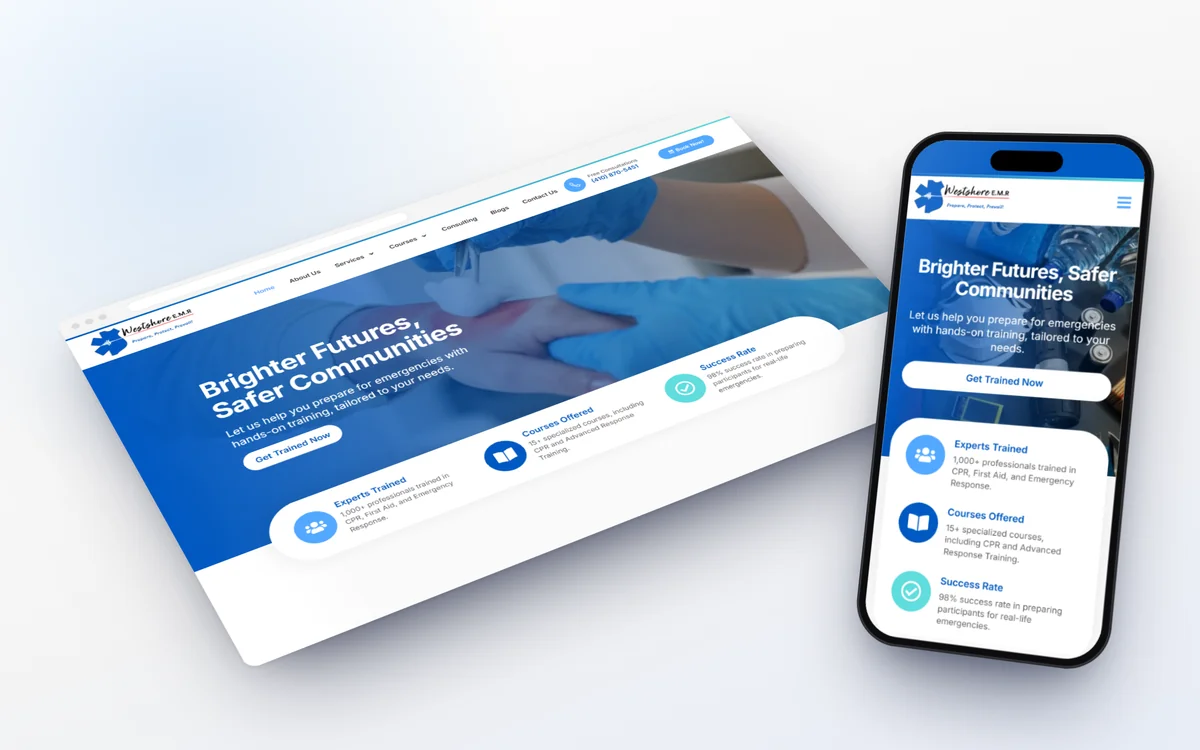
Quick answer: Service area pages are city or region pages for businesses that travel to customers. They work when each page has genuinely local content: jobs done there, local reviews, area specific details and real photos. Pages that only swap the city name are what Google calls doorway pages. Build them for your most valuable areas first, not every town on the map.
Service area pages have a bad reputation, and mostly they earned it. Somebody once figured out that a page called “Plumber in Springfield” could rank in Springfield, so they made two hundred of them with the city name swapped. Google noticed. Those pages now sit squarely inside what Google’s spam policies call doorway abuse.
But the idea underneath is sound. If you’re a service business that travels to customers, or a consultant who works with clients in several cities, people do search for your service plus their location. A good city page answers that search better than your homepage can. The trick is building pages that are actually useful for each place.
Here’s how we approach it, including the cases where I’d tell you not to bother.
Key takeaways
- A service area page targets a city or region you serve. A location page is for a physical address customers visit.
- Google treats near identical city pages as doorway pages. Each page needs content that only makes sense for that place.
- Start with three to five high value areas, not fifty. Add more only when the first ones earn traffic.
- Link every city page from a hub page and from relevant service pages so Google and visitors can find it.
What are service area pages?
A service area page is a page on your website about your service in one specific city, town or region you cover, without an office there. A roofer based in one town who works in six nearby towns. A mobile CPR trainer who runs classes at schools across a county. A security consultant who serves clients across a state.
They’re different from location pages, which are for actual addresses customers visit. That difference matters:
| Location page | Service area page | |
|---|---|---|
| Physical address | Yes, customers visit it | No, you go to the customer |
| Google Business Profile | One per real location | None for that city; your main profile lists it as a service area |
| Map pack potential | Strong for searches near the address | Limited; mostly ranks in regular organic results |
| Main content | Directions, hours, parking, staff at that site | Work done in that area, local needs, area reviews |
That third row is worth reading twice. A service area page usually won’t put you in the map pack for a city where you have no address. It gives you a chance in the organic results below it. Set your expectations accordingly.
Why Google treats some city pages as spam
Google’s spam policies define doorway abuse as pages “created to rank for specific, similar search queries” that “lead users to intermediate pages that aren’t as useful as the final destination.” One of the listed examples is “having multiple domain names or pages targeted at specific regions or cities that funnel users to one page.”
Read that carefully. The problem isn’t having city pages. It’s having city pages that are basically the same page with a different word in the title, all funneling to one contact form.
A quick test I use: cover the city name on the page. Could this paragraph be about any other town you serve? If yes, it’s filler. If the page mentions the specific school district you worked with, the building types common in that neighborhood, the local permit quirk, or a review from a customer in that town, it’s earning its place.
When you should not build service area pages
Not every business needs them. I’d skip or delay city pages if:
- You serve one metro area. If your customers all search “near me” or the city name, a strong homepage and service pages already target that. A page per borough or suburb is usually overkill.
- Your clients don’t search by location. An expert witness or a national consultant gets found by specialty, not by town. Spend the effort on service pages and case studies instead.
- You have nothing local to say. No jobs there yet, no reviews, no photos. Wait until you do. An empty page now is worse than a good page in six months.
- You’d need dozens to be complete. That’s a sign you should pick the top few areas by revenue and stop there.
Honestly, the strongest local SEO lever for most small firms is still separate service pages, one per thing you sell. For a Manhattan frame shop we worked with, Galleria On Third, that meant six specialty pages like jersey framing and shadow boxes, each written around real searches. No city pages at all. Our guide to local SEO for small business covers that foundation.
What goes on a good service area page
Here’s what I’d put on a city page, roughly in this order:
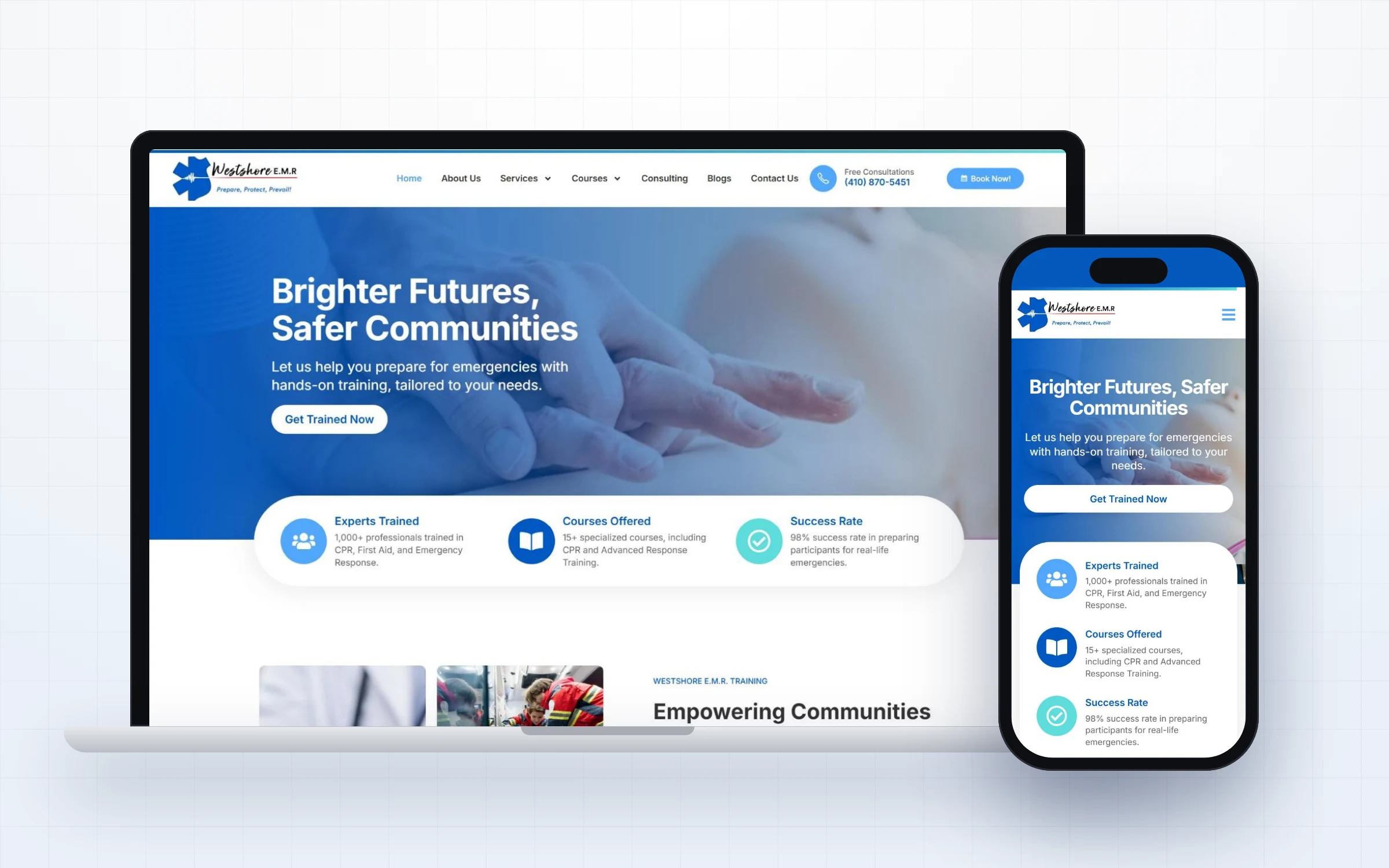
- A headline naming the service and the place. “CPR and first aid training for schools in [County]” beats “Serving [City]”.
- A short intro about that area’s needs. Why people there call you. What’s different about working there.
- Real work done there. A project summary, a before and after, a school or business you trained (with permission).
- Reviews from customers in that area. Even two or three local reviews make the page feel real.
- Photos taken there. Not stock skylines. Your van outside a local building, your class in a local gym.
- Services offered in that area, each linking to the full service page.
- A short FAQ with questions people in that area actually ask, like travel fees or scheduling.
- Contact options with your real phone number and a form.
Add LocalBusiness or Service schema that lists your service areas. Our schema markup guide shows how to do that on WordPress. And write a unique title tag and meta description for each page; the on page SEO checklist covers the rest.
How to create location pages that rank, step by step
Whether you call them service area pages, city pages or location pages for SEO, the build process is the same.
- 01
Pick your areas with data
List the towns where your best customers already come from, check Search Console for city searches you appear in, and choose three to five to start.
- 02
Gather local proof before writing
Collect jobs done, reviews, photos and client names (with permission) for each area. No proof means no page yet.
- 03
Write each page from scratch
Do not clone a template and swap names. Start from what is true and specific about that place.
- 04
Build a hub page
Create an "Areas we serve" page linking to every city page, and link it from your main menu or footer.
- 05
Link from service pages and posts
Mention relevant areas on service pages and blog posts, linking to the matching city page with descriptive anchors.
- 06
Measure and prune
After a few months, check impressions and enquiries per page. Improve the weak ones or merge them back into the hub.
Service area pages and your Google Business Profile
Your website and your Business Profile should tell the same story. Google’s service area guidelines say that if you don’t serve customers at your business address, you should remove the address from the profile. You can set up to 20 service areas by city, postal code or region, and Google advises that the area “shouldn’t be more than about 2 hours of driving time from where your business is based.”
That gives you a sensible upper limit for city pages too. If you’re listing towns three hours away on your website, ask whether you really serve them or just hope to rank there.
One profile, one consistent name, address (if shown) and phone across the web, and city pages that match the service areas in the profile. Our Google Business Profile optimization guide walks through the setup.
Common city page mistakes
The ones I see most often:
- Hidden pages. City pages that exist in the sitemap but aren’t linked anywhere visitors can find. If people can’t reach them, Google treats them as less important too.
- Keyword stuffed footers. A paragraph listing forty town names. It helps nobody and looks spammy.
- Fake addresses. Virtual offices or a friend’s address to get into the map pack in another city. That breaks Google’s profile rules and can get the listing suspended.
- AI written local filler. Generic paragraphs about a city’s history or weather, padding a page with nothing about your actual work there.
Frequently asked questions
What is a service area page?
A page about your service in a specific city or region you travel to, without an office there. It targets searches like your service plus that location, with content specific to the area.
Are city pages bad for SEO?
Not by themselves. Near identical pages that only swap the city name match what Google calls doorway abuse. City pages with genuinely local work, reviews and details are fine and often useful.
How many service area pages should I create?
Start with three to five of your most valuable areas. Add more only when you have real local proof and the first pages are getting impressions and enquiries.
What is the difference between location pages and service area pages?
Location pages are for physical addresses customers visit and pair with a Business Profile for that address. Service area pages cover places you travel to, without a physical location there.
Do service area pages help with the Google map pack?
Rarely on their own. The map pack depends heavily on your Business Profile and proximity. Service area pages mainly help you rank in the regular organic results for those cities.
Should every service have a page for every city?
Usually no. For most small businesses that creates too many thin pages. One page per service plus one page per key area, linked to each other, is a better balance.
Fewer, better city pages
The businesses that win with service area pages aren’t the ones with the most pages. They’re the ones whose pages show real work in real places, linked properly, matched to a clean Business Profile. Three good pages beat thirty thin ones, and they don’t put the rest of your site at risk.
If you’d like help deciding which areas deserve a page and writing them properly, see our SEO services and local business website design, or contact us for a free call.