
A rebranding checklist is the thing most small firms wish they had six weeks after launch, when a client forwards an invoice with the old logo or a conference program still lists the old name. Rebrands rarely fail because the new design is bad. They fail because the old brand keeps leaking out of forgotten corners.
We see it often. A security consultant renames his practice, launches a sharp new website, and then a school district’s procurement office cannot find him because the vendor registration still uses the old name. An HR consultancy updates its logo but its proposal template, built in Word five years ago, keeps the old one for another year.
This guide covers when a rebrand makes sense and gives you a complete, ordered rebranding checklist for consultants, experts, speakers and small professional firms. It is the same sequence we follow at Design Fly 24 when we take a client through a brand refresh.
- Rebrand for a business reason, such as a new focus, a merger or a brand you have outgrown, not because you are bored of your logo.
- A good rebranding checklist starts with an audit of every place your current brand appears.
- Settle strategy and messaging before anyone designs a logo.
- The website, LinkedIn, documents and directory listings are where old branding most often survives.
- Plan the announcement and keep the rebranding checklist open for at least three months after launch.
When does a rebrand actually make sense?
Before you open any rebranding checklist, be honest about why you want to rebrand. Some reasons are strong. Some are just restlessness. A rebrand takes real time and attention away from client work, so it should solve a business problem.
Good reasons we hear from consultants and small firms:
- Your services have changed. You started as a general safety trainer and now focus on threat assessment for schools. The old brand describes a firm that no longer exists.
- You are moving upmarket. Your clients used to be small businesses; now you pitch to hospital systems and universities. The brand looks too small for the room.
- Partners joined or left. A name built around one person no longer fits a firm with three partners, or the reverse.
- The name causes confusion. It is hard to spell, hard to find in search or too similar to a competitor.
- The identity looks dated. It was designed quickly years ago and now hurts first impressions.
Weak reasons: a competitor rebranded, you saw a logo trend you liked, or you are bored. If the brand still fits and simply looks a little tired, a refresh of the logo and website may be enough, without a new name. Our website redesign checklist covers that lighter path.
Refresh or full rebrand: which rebranding checklist do you need?
Not every project needs every item on a rebranding checklist. It helps to decide early which kind of change you are making.
A refresh keeps your name and general direction but updates the logo, colors, type, website and templates. Clients will recognize you instantly. A full rebrand changes the name, the positioning or both. Clients need to be told, search engines need redirects, and legal and banking paperwork changes.
Most consultants we work with need a refresh. A full rebrand is the right call when the business itself has changed. Both follow the same rebranding checklist; a refresh simply skips the naming and legal steps.
1. Start your rebranding checklist with a brand audit
The first step in any rebranding checklist is an inventory. Open a spreadsheet and list every place your current name, logo or colors appear. It is always longer than you think. Here is a starting list:
- Website, favicon, email signature and email domain.
- LinkedIn personal profile, LinkedIn company page and any other social accounts.
- Proposal templates, report templates, slide decks, invoices and contracts.
- Business cards, letterhead, folders, signage and event banners.
- Google Business Profile, industry directories, speaker bureaus and association member listings.
- Vendor registrations with school districts, government agencies and corporate procurement systems.
- Bank accounts, merchant accounts, insurance policies and licenses (for a name change).
- Podcast bios, conference speaker pages and guest articles you have written elsewhere.
This audit becomes the backbone of your rebranding checklist. Each row gets an owner and a date.

2. Clarify strategy and positioning
Design comes later. First, write down in plain words who you serve, what problem you solve and why a buyer should choose you over the alternatives. If you cannot answer these clearly, a new logo will not fix it.
We ask clients to complete a short one page brief: the ideal client, the top three services, the main competitors, the three words people should associate with the firm, and what should feel different after the rebrand. Our brand messaging framework walks through this in detail.
Talk to a few clients during this step. Ask them why they hired you and how they would describe you to a colleague. Their words are often better than anything you would write yourself, and they show you what the brand must keep.
3. Decide on the name
If you are keeping your name, skip ahead. If not, naming is the hardest item on the rebranding checklist, and it deserves patience.
- Keep it easy to say and spell. People will hear it on a call and then try to search for it.
- Check availability early: the domain, LinkedIn page name, and social handles. Our guide on how to choose a domain name helps here.
- Search trademarks. The USPTO trademark resources are a starting point, and a trademark attorney should confirm anything you plan to invest in.
- Think about growth. A name tied to one city or one service can box you in later.
For many independent consultants, using your own name, or your name plus a simple descriptor, is the strongest choice. Your reputation is already attached to it.
4. Build the new visual identity
Now the design work begins: logo, colors, typography and imagery. This is the part people picture when they think of a rebrand, but on a good rebranding checklist it is only step four.
Ask for a full identity, not just a logo file. That means horizontal, stacked and icon versions of the logo, a defined brand color palette with codes for web and print, one or two typefaces, and guidance on photo style. Our guide to logo design for consultants covers the mark itself.
Test the new identity in real situations before approving it: a LinkedIn banner, a proposal cover, a slide, a business card, a favicon at tiny size. A logo that only works large on a white background will cause trouble everywhere else.
5. Write a simple style guide
Every rebranding checklist we run includes a short style guide, even for a one person firm. It records the logo versions, color codes, fonts, image style and a few voice notes in one place. It is what keeps the new brand consistent after launch excitement fades.
It does not need to be long. Ten pages is plenty for most small firms. Our post on the brand style guide explains what to include and how to make sure your team actually uses it.
A rebrand is not finished when the logo is approved. It is finished when nobody can find the old one.
6. Rebuild or update the website
Your website is where most buyers will meet the new brand, so it needs the most care on the rebranding checklist. Depending on the scale of change, this means anything from swapping logos and colors to a complete rebuild with new messaging and structure.
If the domain is changing, protect your search rankings. Every old page needs a permanent (301) redirect to its matching new page. Google explains the process in its guide to site moves with URL changes. Skipping this step can wipe out years of search visibility in a few weeks.
Also update the favicon, page titles, meta descriptions, schema markup, author bios and the footer copyright. Check contact forms still deliver to the right inbox, especially if your email domain changes too.
Planning a rebrand this year?We handle identity, website and LinkedIn together so the new brand launches everywhere at once.
7. Update LinkedIn and social profiles
For consultants, LinkedIn is often as important as the website. On your rebranding checklist, list every LinkedIn element that needs to change:
- Personal profile: headline, about section, experience entry, banner and featured section.
- Company page: name, logo, banner, tagline, about text and website link. Name changes on company pages can take a little time, so check the LinkedIn Help center for the current process.
- Team members’ profiles: everyone should update their experience entry and banner the same week.
- Other platforms you use, such as YouTube, X or Instagram.
Our guide to LinkedIn company page optimization covers the page in detail.
8. Replace documents and templates
This is where old branding most often hides, and where a rebranding checklist earns its keep. Proposals, reports, invoices, contracts, slide decks and email signatures are used every week, and each person on your team has their own copies on their laptop.
Build new master templates, store them in one shared folder, and ask everyone to delete their old copies. Yes, actually delete them. A rebranding checklist that skips this step will see the old logo show up in proposals for months.
9. Update listings, directories and legal records
Directory listings are tedious but matter for both search and trust. Update your Google Business Profile, industry associations, speaker bureaus, expert witness directories and any vendor portals. Our post on Google Business Profile optimization covers that one in detail.
For a name change, update your legal entity or DBA filing, bank accounts, insurance, contracts with current clients, and tax records. Talk to your accountant and attorney about the right order; we are designers, not lawyers.
10. Plan the announcement
A rebrand is a good excuse to get in touch with everyone you know. Plan the announcement as carefully as the design, and give it its own section on the rebranding checklist. Ours has four parts:
- Personal emails to top clients before the public launch, so nobody is surprised.
- A LinkedIn post explaining what changed and why, focused on what it means for clients.
- A short email to your wider list with the same message.
- A simple page or blog post on your site explaining the change, which also helps people searching for your old name.
Keep the message about clients, not about the logo. “We now focus entirely on school and campus safety, so you get deeper expertise” lands better than “Check out our new look.”
11. Launch everything in the same week
A staggered rollout confuses people. If the website changes in March, LinkedIn in May and business cards in August, buyers see three brands in six months. Aim to switch the main channels together: website, LinkedIn, email signatures, templates and Google profile.
Print can follow shortly after. Order business cards and signage once the digital launch is live and you are sure nothing needs tweaking.
12. Follow up for three months
The last item on any rebranding checklist is easy to forget: keep looking. For the first three months, search for your old name every couple of weeks. Check directories, old guest posts, podcast pages and partner websites. Ask friendly partners to update logos and links.
Watch your search traffic and inquiries too. A small dip after a domain change is normal; a big one means a redirect is broken.
Adapting the rebranding checklist to your firm’s size
The steps are the same for everyone, but the weight of each one changes with the size of the firm. A solo expert witness and a twelve person HR consultancy will spend their time in very different places.
Solo consultants and independent experts
If you are the brand, your personal LinkedIn profile, headshot and website about page carry most of the weight. Put them at the top of your rebranding checklist. Templates are simpler because only you use them, but listings matter more, since attorneys, event planners and procurement officers often find solo experts through directories and associations.
Solo consultants also tend to underestimate the announcement. You have a personal network built over years. A direct, personal note to your best fifty contacts usually does more than any public post.
Small firms with a team
Once several people send proposals and post on LinkedIn, consistency becomes the hard part. Your rebranding checklist needs a named owner for each row and a single launch date everyone works toward. Hold a short internal session before launch to show the team the new templates, explain the reasons for the change and answer questions.
Give everyone the same short paragraph to use when clients ask about the change. It keeps the story consistent and saves people from improvising on calls.
Firms with a long online history
If your site has years of articles and good search rankings, the website step deserves extra time on the rebranding checklist. Map every old address to a new one before launch, keep the strongest pages largely intact, and monitor traffic closely for the first few months. Think of a site like schoolsecurity.org, a site we built, where years of articles support the core services. You do not want a rebrand to throw that kind of work away.
Your rebranding checklist at a glance
Here is the whole rebranding checklist in one table you can copy into a spreadsheet and assign.
| Stage | Main tasks | Refresh | Full rebrand |
|---|---|---|---|
| Audit | List every place the brand appears | Yes | Yes |
| Strategy | Ideal client, services, positioning, messaging | Light review | Yes |
| Name | Shortlist, domain, trademark search | No | Yes |
| Identity | Logo versions, colors, type, imagery | Yes | Yes |
| Style guide | Rules and files in one place | Yes | Yes |
| Website | Design, copy, redirects, SEO details | Yes | Yes, with redirects |
| LinkedIn and social | Profiles, company page, banners | Yes | Yes |
| Documents | Proposals, reports, invoices, signatures | Yes | Yes |
| Listings and legal | Directories, vendor portals, filings, bank | Listings only | Yes |
| Announcement | Client emails, LinkedIn post, site page | Optional | Yes |
| Follow up | Search old name, fix leftovers | Yes | Yes |
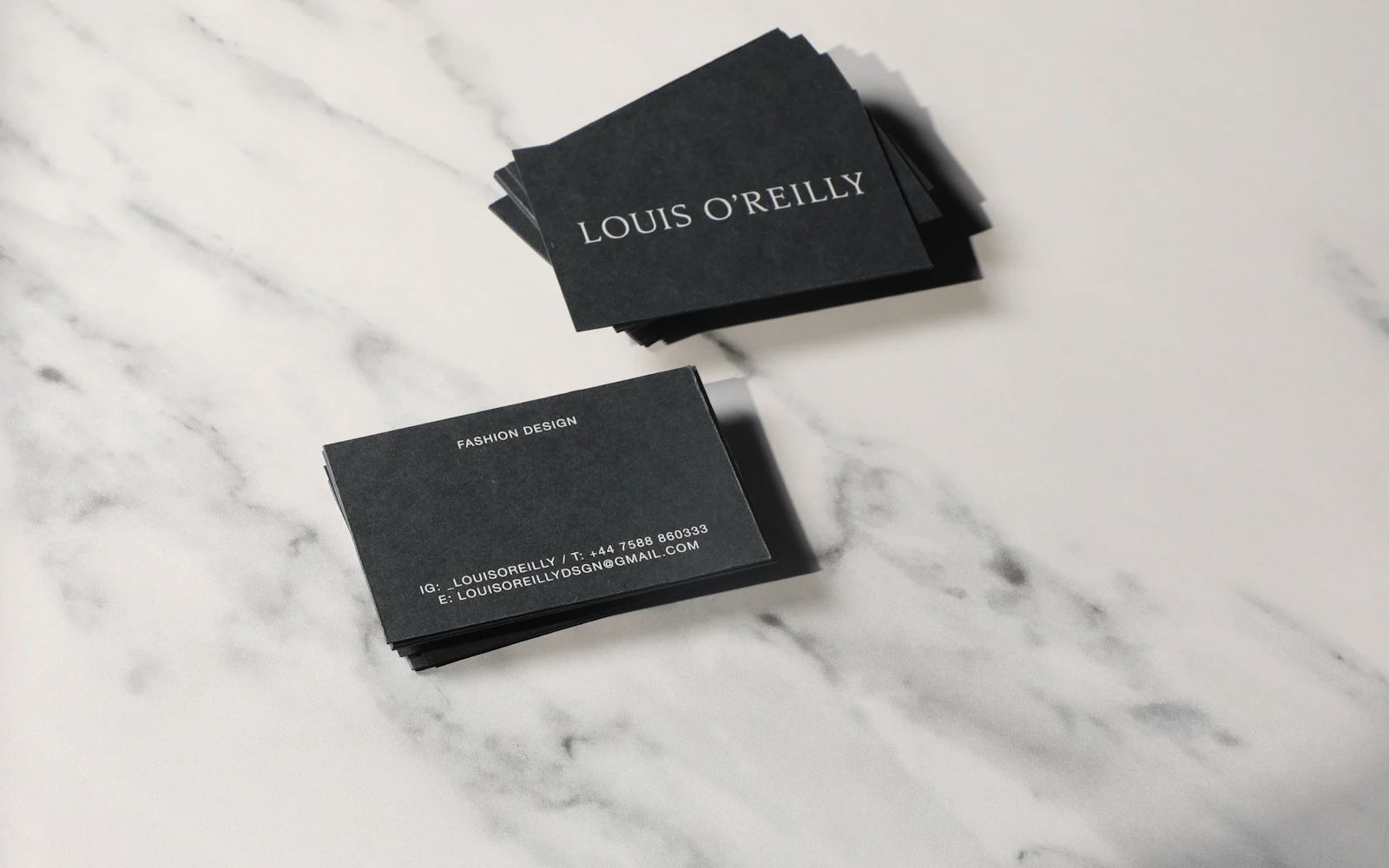
Quick tip: Add a column to your rebranding checklist for “old brand found here” and ask your team to log any stray copies they spot after launch. It turns cleanup into a shared habit.
Frequently asked questions
How long does a rebrand take for a small firm?
A refresh often takes six to ten weeks. A full rebrand with a new name usually takes three to six months, mostly because naming, legal checks and website work need time.
What should come first on a rebranding checklist?
An audit of every place your brand currently appears, followed by strategy. Design should come after you are clear on who you serve and what should change.
Will a rebrand hurt my search rankings?
It can if the domain or page addresses change without redirects. With a proper redirect plan and updated listings, most sites recover quickly. Our SEO services include migration planning for exactly this reason.
Can I use a rebranding checklist for a simple logo update?
Yes. Skip the naming and legal steps, but still audit, update templates and LinkedIn, and follow up. Old logos hide in the same places either way.
Should I tell clients before the public launch?
Yes, especially your top clients. A personal note before the public announcement shows respect and avoids confusion on invoices and contracts.
Ready to plan your rebrand?
A rebrand done well makes your firm look like the business it has become. A rebranding checklist makes sure the change actually reaches every proposal, profile and listing, not just the homepage.
If you are thinking about a refresh or a full rebrand, we can help with strategy, identity, website and LinkedIn as one project. See our work, learn more about us, or book a free call and we will walk through your situation together.